
Virtual Cancer Care Consultations in 2026: Telemedicine Clinic for Online Cancer & Hematology Care + Chemo Nutrition Guide
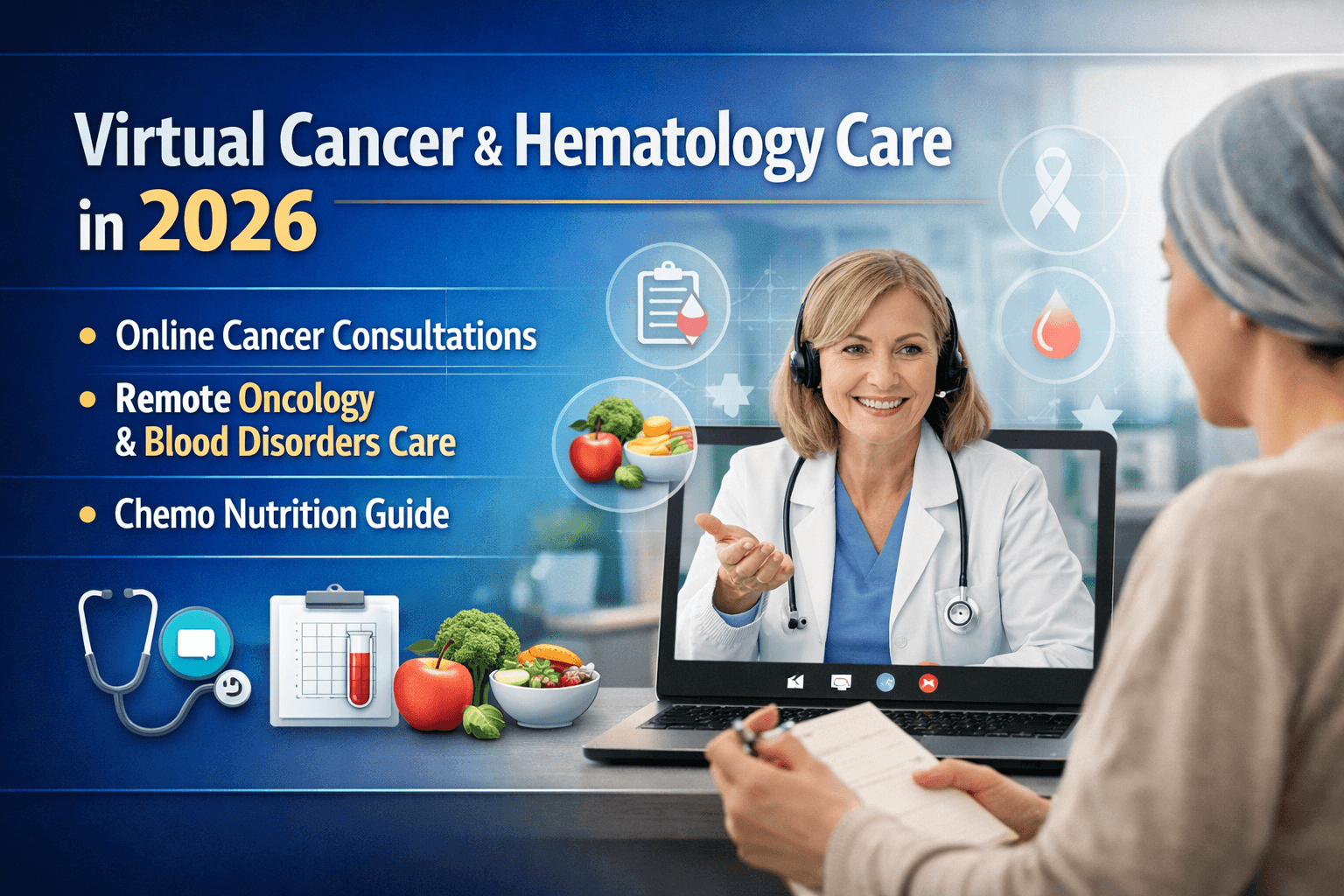
Virtual Cancer Care in 2026: Why More Patients Choose a Telemedicine Clinic
Cancer treatment can be overwhelming—appointments, labs, side effects, questions that never fit into a short visit, and the constant worry of “Am I doing this right?” In 2026, more patients are turning to virtual cancer care consultations through a trusted telemedicine clinic to get expert support without the stress of travel.
A modern telehealth model can deliver cancer care from home, whether you’re newly diagnosed, in active treatment, managing side effects, or planning survivorship. The goal is simple: telehealth cancer care that’s personal, practical, and continuous—so you’re not stuck with “one quick appointment and good luck.”
If you’ve been searching for telemedicine companies that understand oncology and blood disorders, this guide is for you. We’ll cover:
How remote oncology services work
When telehealth hematology is helpful
What to expect from a virtual hematologist
How to make the most of cancer care beyond a 20 minute visit hematologist oncologist
A nutrition section: what to eat during chemo, best foods for cancer patients, foods to avoid with cancer, and diet during cancer treatment
Important note: This blog is educational and not a substitute for medical advice. Always follow your oncology/hematology team’s instructions and ask before making diet changes—especially if you have low white blood cell counts, kidney issues, diabetes, or specific treatment restrictions.
What Is a Telemedicine Clinic for Cancer Care?
A telemedicine clinic provides healthcare visits through secure video/phone, allowing patients to speak with specialists from home. In oncology and hematology, telemedicine can be especially valuable because patients often need:
Detailed explanation of diagnosis and staging
Review of pathology reports, scans, and lab trends
Treatment plan clarification and second opinions
Side-effect management and supportive care coaching
Nutrition guidance and symptom tracking
Ongoing follow-up that doesn’t require constant in-person travel
Unlike generic platforms, dedicated oncology-focused telemedicine supports virtual cancer care consultations with deeper time, better continuity, and a clearer plan you can actually follow.
Online Cancer Consultation: Who It Helps Most
An online cancer consultation can support many types of patients and families, including:
1) New diagnosis or “I need clarity”
Understanding your diagnosis in plain language
What tests matter and why
Questions to ask your local oncology team
Preparing for your next appointment
2) Treatment decision support
Comparing treatment approaches
Discussing risks/benefits
Understanding chemo/immunotherapy targeted therapy basics
Aligning treatment decisions with your goals
3) Side effects and symptom planning
Nausea, fatigue, appetite loss
Mouth sores, constipation/diarrhea
Neuropathy, sleep issues, pain questions
When symptoms need urgent care
4) Survivorship and long-term plan
Follow-up schedule questions
Nutrition, strength, and recovery routines
Monitoring and prevention discussions
This is the heart of remote oncology services: giving you answers and structure when you need it—without waiting weeks for an appointment.
Cancer Care Beyond a 20 Minute Visit: Why Time Matters
Many patients leave rushed visits with unanswered questions:
“What does this lab result mean?”
“Is this side effect normal?”
“What should I eat?”
“When should I worry?”
A quality virtual care model aims for cancer care beyond 20 minute visit hematologist oncologist by allowing more time for:
Reviewing records and trends
Education and coaching (not just “next steps”)
Building a practical symptom + nutrition plan
Clear written takeaways after the visit
When you’re dealing with cancer, the best care often includes time—time to explain, time to plan, and time to follow up.
Telehealth Hematology: Blood Disorders Telehealth & Cancer-Related Blood Issues
Cancer care often overlaps with blood health. Telehealth hematology can help with both cancer-related blood problems and non-cancer blood conditions.
Common reasons people seek an online hematology consultation
Anemia (low hemoglobin), fatigue, shortness of breath
Low platelets or bruising concerns
High or low white blood cell counts
Iron deficiency, B12/folate questions
Blood clot history or anticoagulation questions
Abnormal CBC that needs explanation
This is where blood disorders telehealth and hematology online services become extremely useful—especially when you need expert interpretation of labs over time.
What a virtual hematologist can do remotely
A virtual hematologist or specialist may:
Review your CBC/CMP trends and iron studies
Explain what values matter and what doesn’t
Recommend which questions to ask your in-person team
Suggest discussion points about additional testing
Help you understand the “why” behind symptoms like fatigue or bruising
If you’re managing ongoing blood work, remote hematology consultation can be a smart way to stay organized and informed.
Remote Oncology Services: What to Expect From a Virtual Visit
A strong telehealth experience is structured. Here’s what most patients should expect from virtual cancer care consultations:
Before the visit
You share basic history + current concerns
You upload labs, imaging reports, pathology, medication list
You list your top questions (we recommend 5–10)
During the visit
Detailed review of your situation
Clear explanations in plain language
A step-by-step action plan
Nutrition and symptom support conversation if needed
After the visit
A written summary (key points + next steps)
Checklist of questions for your local oncology team
Optional follow-up planning so you’re not on your own
This is what modern telehealth cancer care should feel like: not rushed, not confusing, and not one-and-done.
Diet During Cancer Treatment (Chemo Nutrition Guide)
What to Eat During Chemo: A Simple, Practical Approach
There is no single “perfect” diet for everyone. But in general, the best approach during chemotherapy is:
Maintain weight if you’re losing weight unintentionally
Focus on protein and calories if appetite is low
Stay hydrated
Choose gentle, easy-to-digest foods during nausea or diarrhea
Prioritize food safety if immunity is low
Best foods for cancer patients (everyday options)
These choices often work well for many people in treatment:
Protein (for healing and strength)
Eggs, Greek yogurt, cottage cheese
Chicken, fish, lean meat (well-cooked)
Lentils, beans (if tolerated), tofu
Nut butters, hummus
Easy energy (when appetite is small)
Oatmeal, rice, pasta, potatoes
Smoothies (pasteurized dairy, washed fruit)
Soups and stews
Avocado, olive oil, tahini
Fruits & vegetables (as tolerated)
Bananas, applesauce, peeled fruits
Cooked vegetables (gentler than raw)
Soft options like carrots, squash, spinach (cooked)
Hydration
Water, oral rehydration drinks
Broths, soups
Ginger or peppermint tea (if approved by your team)
If you struggle to eat full meals, aim for small meals every 2–3 hours.
Foods to Avoid With Cancer (and During Chemo)
“Foods to avoid with cancer” depends on your treatment, side effects, and immune status. Common cautions include:
1) Food safety risks (especially if neutropenic / low immunity)
Raw or undercooked meat, fish, eggs
Unpasteurized milk/cheese/juice
Unwashed fruits and vegetables
Raw sprouts
Buffets or foods left out too long
2) Things that may worsen symptoms
If you have nausea, reflux, mouth sores, or diarrhea, consider limiting:
Very spicy foods
Greasy/fried foods
Acidic foods (tomato, citrus) if mouth sores are present
High-fiber raw salads during diarrhea
Alcohol (often discouraged during treatment)
3) Supplement caution
Avoid starting supplements (especially high-dose antioxidants, herbal blends, “immune boosters”) without asking your oncology team—some can interact with treatment.
Eating Tips for Common Chemo Side Effects
If you have nausea
Dry foods (toast, crackers)
Ginger tea (if approved)
Cold foods can smell less strong
Eat slowly, small portions
If you have mouth sores
Soft foods: yogurt, smoothies, mashed potatoes
Avoid spicy/acidic foods
Use a straw for drinks if helpful
If you have taste changes
Try marinades, lemon (if no mouth sores), or mild sauces
Use plastic utensils if you have a metallic taste
Add herbs and gentle spices
If you’re constipated
Hydration + gentle fiber (oats, cooked veg)
Prunes/prune juice if tolerated
Ask your team before using laxatives
If you have diarrhea
BRAT-style foods (banana, rice, applesauce, toast)
Hydration with electrolytes
Avoid greasy foods and raw salads temporarily
When to Ask Your Doctor Immediately
Contact your oncology team urgently if you have:
Fever (often 100.4°F / 38°C or higher—follow your clinic’s rules)
Severe vomiting/diarrhea with dehydration
Confusion, chest pain, trouble breathing
Uncontrolled pain
Bleeding or bruising that’s new/worsening
Nutrition is important—but safety is always first.
Why Telehealth Is a Powerful Option for Ongoing Support
A big reason patients choose a specialized telemedicine clinic is continuity. You don’t just need one appointment—you need support across the journey:
Understanding your plan
Making informed decisions
Managing side effects
Staying consistent with diet during cancer treatment
Getting answers without delay
That’s the promise of cancer care from home: consistent guidance and clearer next steps.
Ready for an Online Cancer Consultation?
If you’re looking for telemedicine companies that provide focused telehealth cancer care, consider booking a virtual cancer care consultation with a specialist who can review your records and build a personalized plan. Visit www.myidocusa.com to get started.